
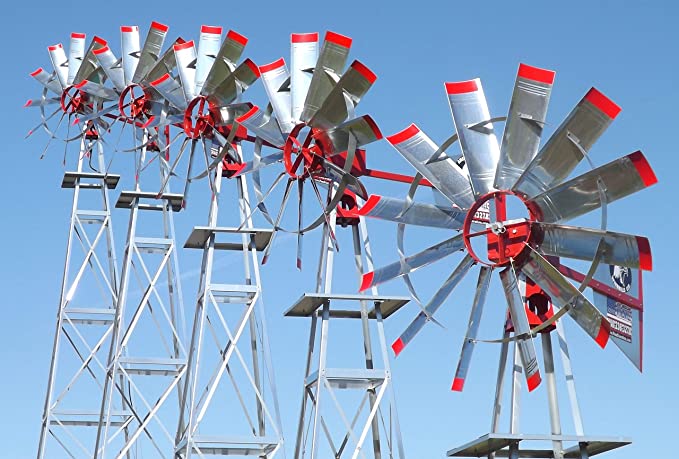
In order to maintain a healthy ecosystem It is crucial to have a balanced water life cycle, healthy oxygen levels and circulation of water. In the absence of adequate aeration, ponds are prone to developing problems such as the growth of algae, foul-smelling odors and stress on fish. One of the most efficient and environmentally friendly ways to maintain water quality is by installing a Windmill Pond Aerator. They make use of wind energy to boost the oxygen levels in the water. They help ponds to maintain their health, cleanliness and well-balanced.
In recent times Pond Aeration Windmills have become increasingly popular among farmers, owners of ponds and property managers seeking an environmentally sustainable option that does not rely on electricity. Wind power is utilized to power these aerators, that provide continuous oxygenation and lower energy costs.
Why Aeration Is Important For Ponds
Aeration of water is the procedure that improves the quantity of oxygen present in the water. Aeration must be done properly since aquatic organisms such as fish and beneficial bacteria depend on oxygen to live and maintain the pond’s natural balance. The ponds without oxygen may stagnate, produce harmful gases, or grow excessive algae.
If oxygen levels drop, ponds may develop stratification, in which the deep waters are depleted of air and causing unhealthy conditions for fish and aquatic life. Aeration helps circulate the water column and reroute oxygen to areas that are deeper and prevent stratification. This helps to create healthier ecosystems and clearer water.
How does a Windmill work? Aerator operates
The Windmill Aerator uses wind power instead of electricity. As the wind turns the blades, the mechanical energy of the windmill is transmitted to an air compressor. This pumping action pumps air down a pipe into a diffuser located on the bottom of the. The diffuser lets out bubbles that circulate and distribute oxygen to the water.
This process not only increases oxygen levels but also improves the movement of water. As the bubbles grow they mix the water layers to prevent stagnant zones from occurring and distributing oxygen more evenly throughout the pond.
Modern windmills are engineered to operate efficiently, even in the absence of wind. Certain models come with sturdy components and diffuser stones which distribute air evenly over the pond. This boosts the aeration effectiveness.
Windmill Aeration Systems Benefits
1. Energy-Efficient Operation
One of the greatest benefits of Windmill Aeration is that it relies entirely on wind energy that is renewable. This means that there’s no requirement for electricity, nor any ongoing energy costs.
2. Environmentally Friendly
Windmill aerators are low-impact and emit no pollutants. Landowners seeking sustainable water management will benefit from this method.
3. Improved Water Quality
Aeration is essential to avoid stagnation, as well as helping beneficial bacteria to break down organic matter. The pond will not be vulnerable to unpleasant odors and algae blooms when the oxygen levels increase.
4. Healthier Aquatic Life
Fish and aquatic organisms require oxygen to live. Windmill Pond aerators provide a steady flow of oxygen to aquatic plants and fish.
5. Easy Maintenance and Long Lasting
The majority of Pond Aeration Windmills are designed with strong materials that are able to are able to withstand outdoor conditions. They require very little maintenance once put in place, making them an ideal solution for long-term use.
Windmill Pond Aerators – Ideal applications
Aeration systems powered by wind can be used in a variety of settings, including:
Water sources for livestock and farm ponds. sources
Recreational fishing ponds
Landscaping and ranches
Wildlife habitats and conservation areas
Private ponds for residential use
These systems are especially useful in remote areas where power isn’t available. Installation is flexible because a Windmill Aerator may be installed far from a pond and then connected via the airline tubing.
Choosing the Right Windmill Aeration System
Pond owners must think about a range of factors when selecting a wind-powered system for aeration.
Pond Size: Bigger bodies of water could require stronger compressors, or additional diffusers.
Depth: The diffusers should be placed at a suitable deepness to allow the most oxygen to be distributed.
Wind Exposure – Placing the windmill in an open field allows it to capture a greater amount of wind energy.
Durability: Select products made from materials of the highest quality, designed for outdoor use.
The correct Windmill Pond aerator will ensure that your system runs efficiently and is able to meet your pond’s aeration requirements.
Pond Aeration: The Future of Pond Aeration
Wind-powered aeration is becoming increasingly sought-after by those seeking sustainable ways to manage their natural resources. Combining renewable energy with proven aeration technology, Windmill Aeration systems offer a sustainable and eco-friendly solution to maintain ponds.
If you have a small backyard pond or have a huge rural property Installing a Windmill can drastically improve the water quality and overall ecosystem health. Pond Aeration Windmills offer long-term benefit and have low cost. They are a great investment for anyone who wants to have cleaner water, healthier fish and an aesthetically pleasing pond.